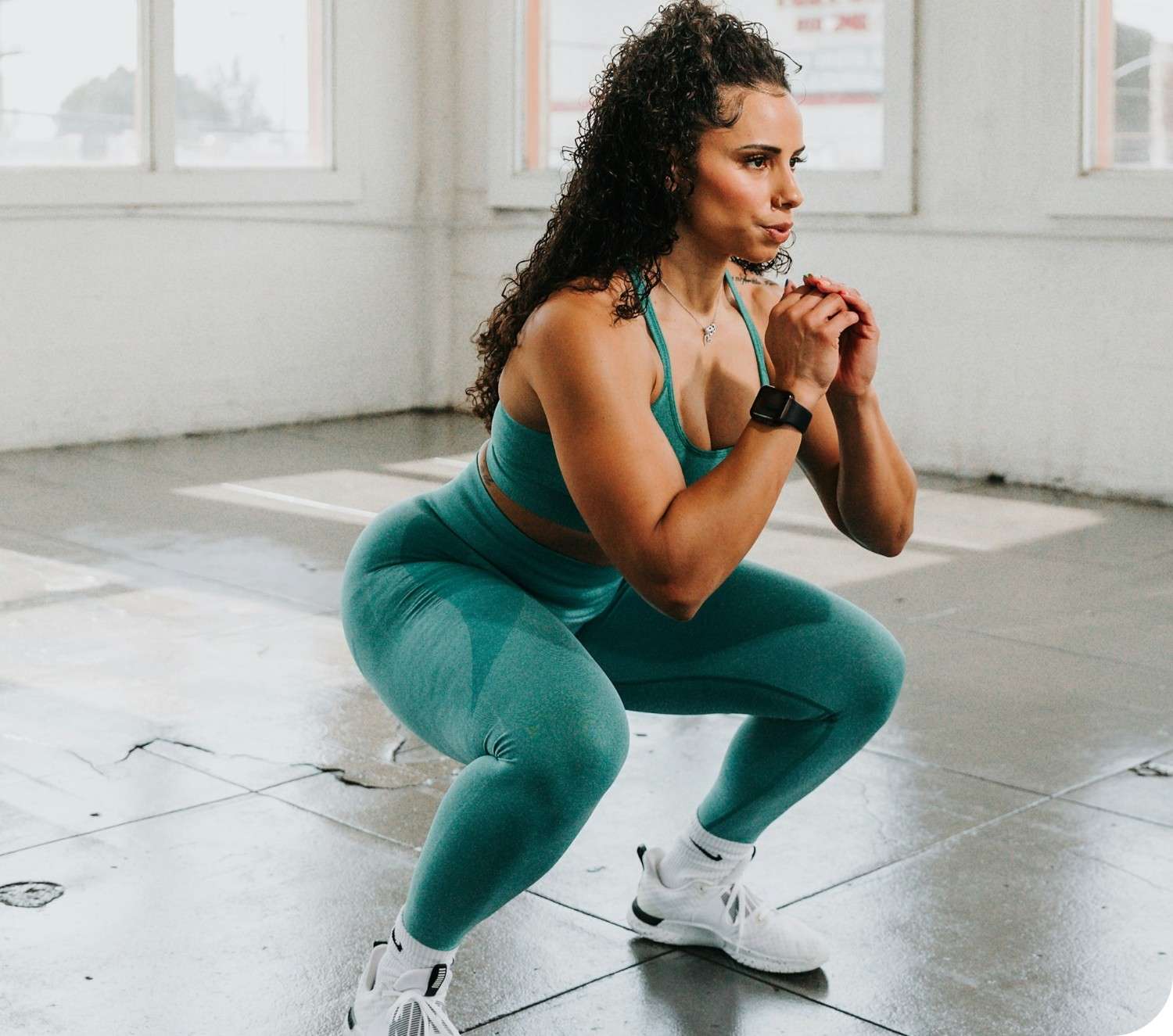
In this article, personal trainer Baltazar explains how squats can help grow your glutes, why range of motion and proper form matter, how often to train your lower body, and why progressive overload, nutrition, and recovery are essential for building bigger, stronger glutes.
If you want to build your glutes, squats are one of the best exercises you can have in your lower body routine. But doing more squats is not necessarily what gets better results.
The way you squat matters. So does how often you train, how you challenge your muscles over time, and what you do between workouts.
So, will squats make your butt bigger? Yes, they can. The key is performing them with a good range of motion, giving your glutes enough resistance to adapt, and allowing your body enough time to recover and grow.
How Do Squats Grow Your Glutes?
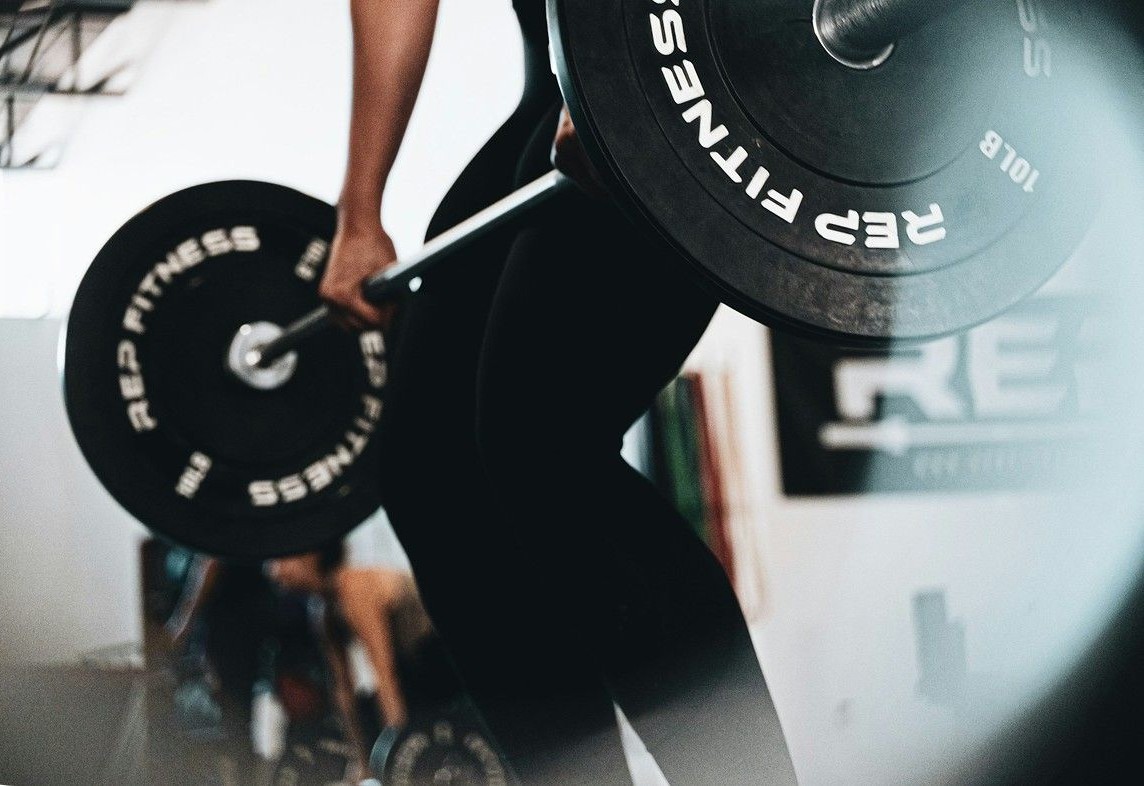
Your glutes help extend your hips and drive you back up from the bottom of a squat. The deeper you squat, the more your glutes have to contribute to getting you out of that position.
If you only perform a quarter squat, much of the work may stay in your quads. As you increase your range of motion, your glutes become more involved in the movement. That is why I would rather see someone perform a controlled squat through a good range of motion than rush through a larger number of shallow reps.
Your exact squat depth will depend on your mobility, anatomy, experience, and ability to maintain good form. The goal is not to force yourself as low as possible. It is to use the fullest range of motion you can control properly.
Are Squats the Best Exercise for Glute Growth?
There are plenty of exercises that can help build your glutes, including hip thrusts, Bulgarian split squats, sumo deadlifts, and banded movements.
But in my opinion, a properly performed conventional squat is one of the best exercises you can do for overall glute development. When you squat through a full range of motion, your glutes have to work hard alongside your quads, hamstrings, and the rest of your lower body.
You also do not need to overcomplicate your squat stance.
A conventional squat with your feet around shoulder-width apart or slightly wider is a great place to start. Sumo squats can also target the glutes effectively, but you do not have to replace traditional squats with a more specialized variation to see results.
Why Squat Form Matters More Than Doing More Reps
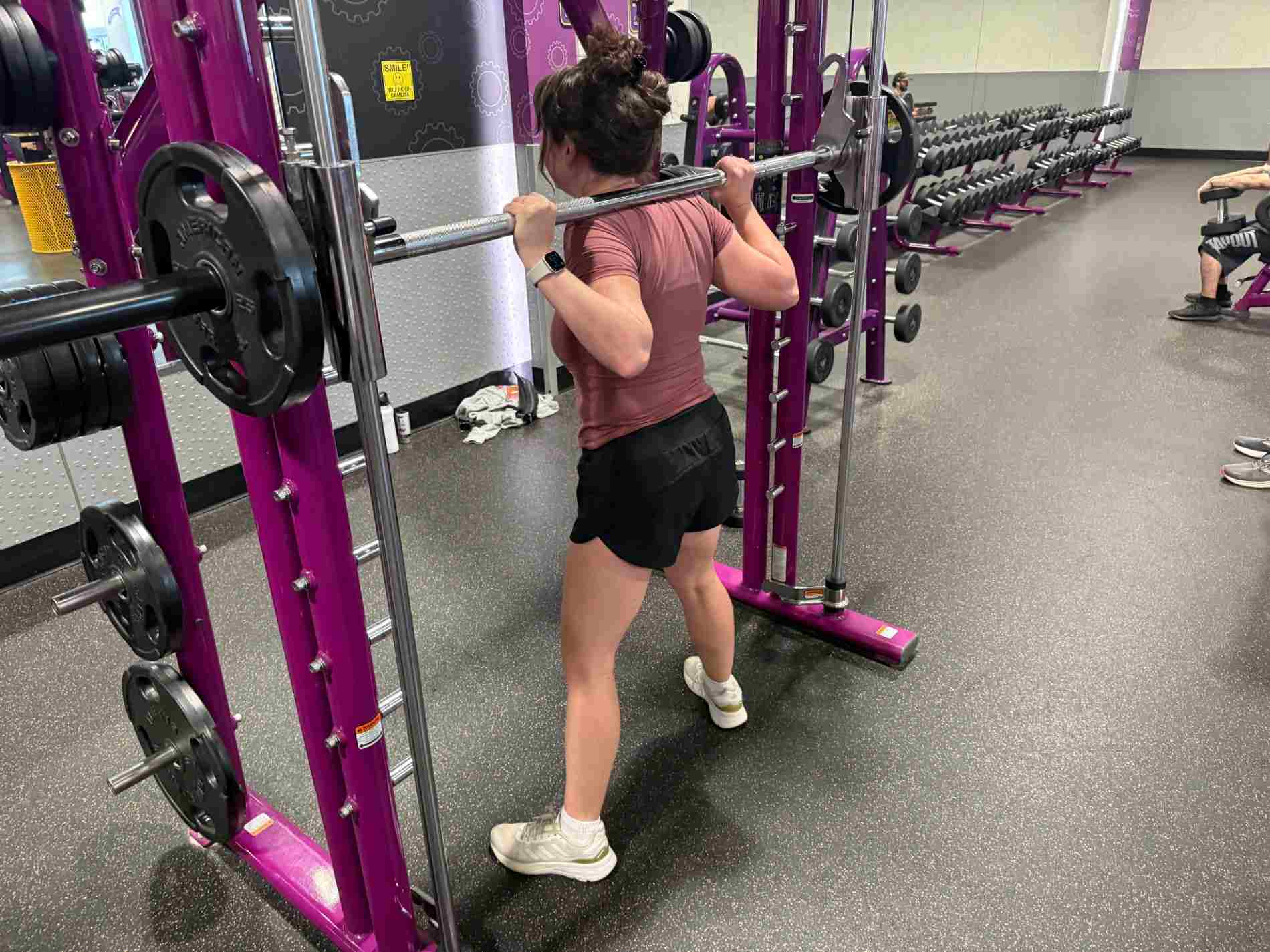
One of the biggest mistakes I see is people rushing through their lower body exercises.
You can perform a lot of reps, but if you rush through them, shorten your range of motion, or lose your form, you may not be putting the tension where you want it.
That can happen with squats, but it also shows up in exercises like hip thrusts and Bulgarian split squats. Your foot placement, body position, depth, and tempo can all change which muscles are doing most of the work.
In many cases, you will get more from two or three exercises performed with excellent technique than from rushing through nine exercises just to complete a longer workout.
Slow Down Your Reps
Adding weight is not the only way to make an exercise harder. One of my favorite ways to progress an exercise is through time under tension, or the amount of time your muscles spend working during each repetition.
progress an exercise is through time under tension, or the amount of time your muscles spend working during each repetition.
Instead of dropping quickly into a squat and immediately standing back up, you might take several seconds to lower yourself, briefly control the bottom position, and then drive back up.
Suddenly, a weight that normally feels easy can become extremely challenging.
This is also one way to create progressive overload, which simply means gradually making your training more challenging so your body has a reason to adapt.
Progressive overload can come from:
- Increasing the weight you lift.
- Increasing your repetitions while maintaining good form.
- Adjusting your training volume over time.
- Increasing time under tension by controlling the speed of each rep.
You do not have to add more weight every week to continue making progress. Sometimes slowing the movement down is enough to completely change the exercise.
How Often Should You Train Your Glutes?
For someone whose goal is lower body and glute growth, I generally like three lower body training days per week.
That does not mean repeating the exact same workout three times.
One day might emphasize squats. Another might include hip thrusts. A third could incorporate Bulgarian split squats, sumo deadlifts, or another glute-focused movement.
Spreading the work across the week lets you repeatedly train the muscle without trying to cram excessive volume into one workout.
More is not automatically better. Training your glutes five or six days a week can actually work against you if your muscles never have enough time to recover.
Three well-designed sessions with quality exercises, appropriate intensity, and enough recovery can be much more productive than training the same muscles every day.
How Many Sets and Reps Should You Do?
There is no single rep range you have to use forever.
For muscle growth, a program may include exercises performed for around three sets of 10 to 12 reps, but your training can change over time.
For example, one phase might use heavier weights and lower repetitions. A later phase might increase the repetitions while slowing down each movement. Another phase might use lighter weights for higher repetitions.
That variation allows you to continue challenging the same muscle in different ways instead of repeating the exact same workout indefinitely.
This is why following a structured program tends to work better than randomly choosing exercises every time you walk into the gym. There should be a reason behind your exercises, repetitions, tempo, and progression.
Your Glutes Grow During Recovery Too
Training provides the stimulus for muscle growth. Recovery is when your body gets the opportunity to respond to it.
You can train extremely hard, but if you are constantly working the same muscles without giving them enough recovery time, you may be limiting the progress you are trying to create.
I generally recommend alternating your harder lower body workouts with recovery days rather than hammering the same muscles again the following day.
That does not mean you have to spend your rest day sitting on the couch. Walking and other light activity can be helpful, while sleep and nutrition give your body the resources it needs to recover.
Getting enough restful sleep matters too. If possible, aim to make quality sleep a consistent part of your routine rather than treating recovery as an afterthought.
Don’t Forget About Nutrition
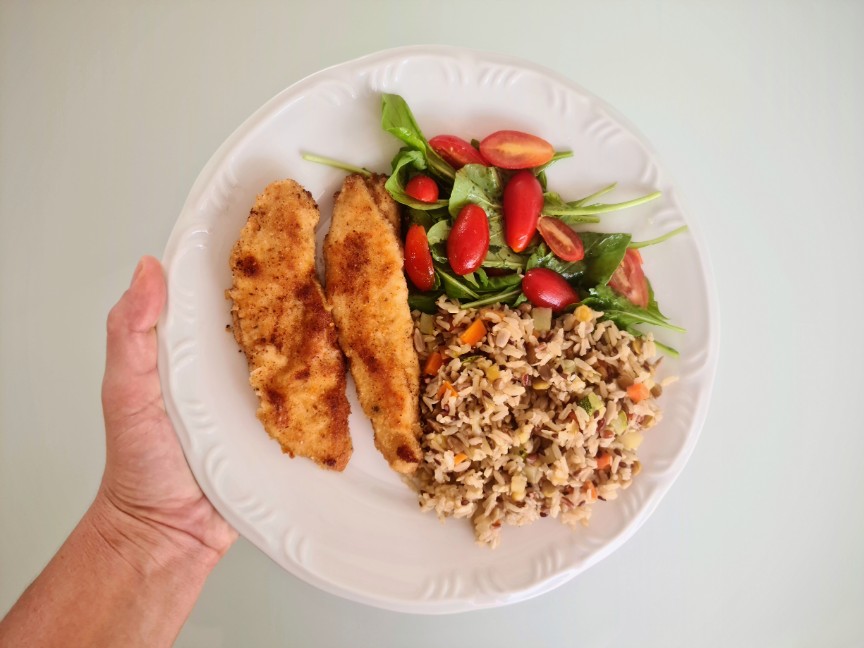
Muscle growth requires more than exercise.
Protein helps your body repair and build muscle after training, which is why consistent protein intake is important when your goal is growing your glutes. Carbohydrates also have a role. They provide fuel for training and help replenish the glycogen stored within your muscles afterward.
For someone who wants to keep nutrition simple, I often explain it this way:
Think carbohydrates before your workout to help fuel your training, and think protein afterward to support recovery.
As you become more experienced, the bigger priority becomes eating enough protein consistently throughout the day rather than worrying about hitting one perfect post-workout window.
Why Your Glutes May Not Be Growing
If you have been working out consistently but your glutes are not growing the way you expected, your first instinct may be to add more exercises. That is not always the answer.
Before you increase your workload, look at the quality of the training you are already doing.
Are you:
- Rushing through your repetitions?
- Cutting your squats short instead of using a good range of motion?
- Using weight you can actually control?
- Performing each exercise with the right technique?
- Progressively challenging yourself over time?
- Giving your muscles enough recovery between hard workouts?
These are some of the most common issues I see when people are frustrated with their lower body progress.
Glute growth is not about finding one magic exercise or doing as much work as possible.
It comes from consistently performing the right movements well, challenging your muscles enough to create change, and then giving your body what it needs to recover.
Build a Stronger Lower Body With Relentless Spirit
You do not need to spend five or six days a week in the gym or piece together random glute workouts from social media to build a stronger lower body.
You need a plan.
The Relentless Spirit Lower Body Program is built around three lower body workouts per week and is designed to give your glutes, quads, and hamstrings the training volume they need without sacrificing recovery.
If you are ready to stop guessing and start training your lower body with purpose, get started with the Relentless Spirits Lower Body Program.
About the author : Baltazar Villanueva

Baltazar Villanueva is a NASM certified personal trainer & nutritionist that provides services to the Denver metro region. Formerly a mixed martial arts fighter and self-defense trainer, he now provides clients with customized fitness programs that address whole-body wellness. Book a consultation with him here to get started on your fitness journey.