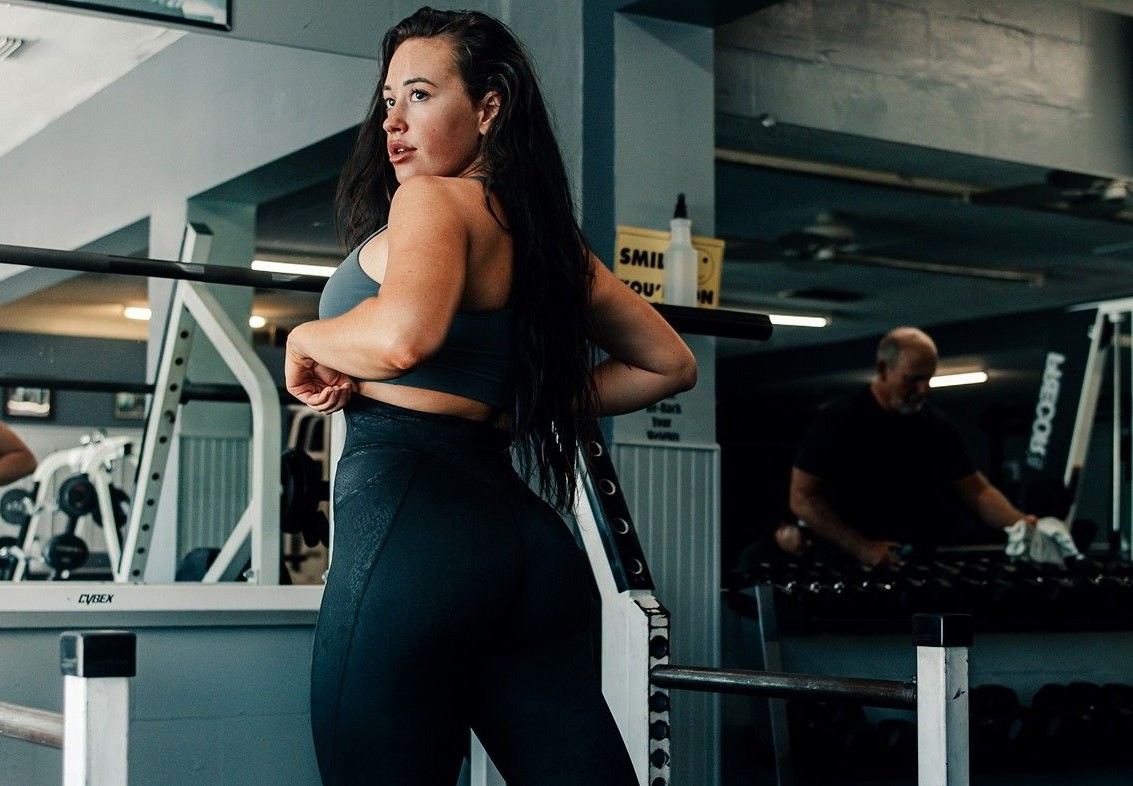
In this article, personal trainer Baltazar explains how to build fuller, rounder glutes naturally through targeted strength training, proper exercise technique, progressive overload, nutrition, and recovery.
If you want a bigger, rounder butt without surgery, you are really talking about one thing: building more glute muscle.
You cannot completely change your genetics, bone structure, or where your body naturally stores fat. And training is not going to recreate the exact proportions of a surgical BBL. But training can make a noticeable difference in the size, shape, and overall development of your lower body.
The goal is not simply to do more “booty workouts.” Building fuller glutes requires choosing exercises that target different areas of the muscle, performing them correctly, gradually increasing the challenge, and giving your body enough fuel and recovery to grow.
What is a Natural BBL?
A “natural BBL” usually refers to building a fuller, rounder butt through exercise rather than cosmetic surgery.
Most people who want this look are aiming for some combination of more projection, more fullness, a rounder shape, and greater development around the sides of the glutes.
Strength training can help with all of those.
Your glutes are made up of three primary muscles: the gluteus maximus, gluteus medius, and gluteus minimus. Developing these muscles can change the overall appearance of your lower body.
The gluteus maximus contributes most of the size and projection, while the upper and outer glutes help create more shape around the hips.
It is still important to have realistic expectations. You may not be able to recreate someone else’s proportions, especially if surgery is involved, but you can build a stronger, fuller, more developed version of your own shape.
The Best Exercises for Building Fuller Glutes
There is no single exercise that builds the perfect butt.
If I were creating a glute-focused routine, I would build it around movements that challenge the glutes in different ways rather than relying on one exercise over and over.
Some of my top choices are squats, Bulgarian split squats, lateral band walks, and hip thrusts.
Squats
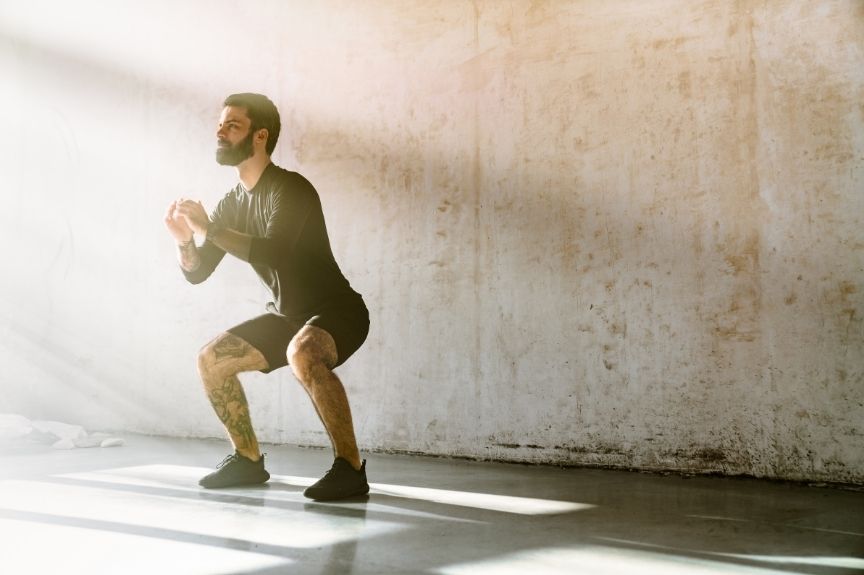
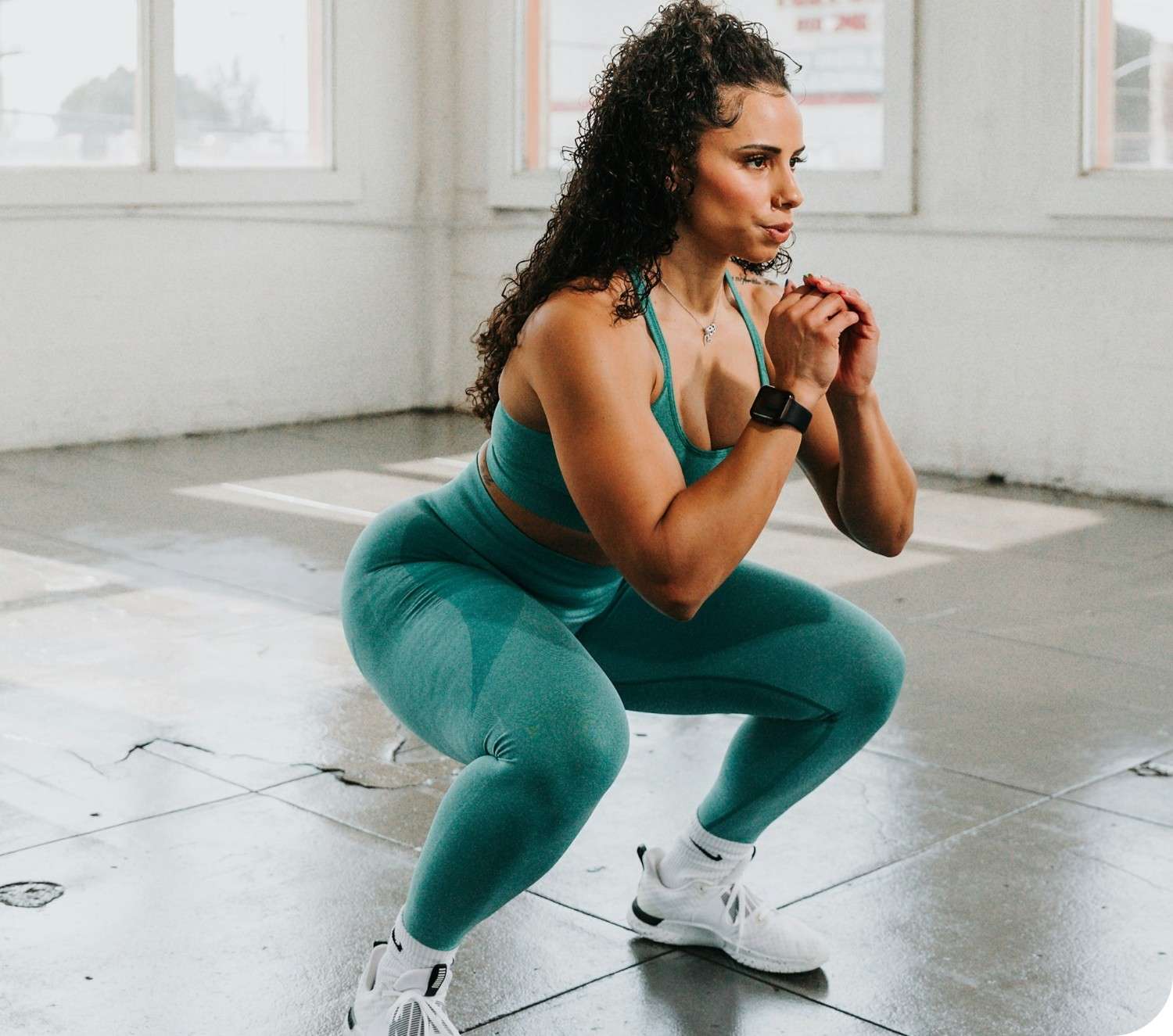
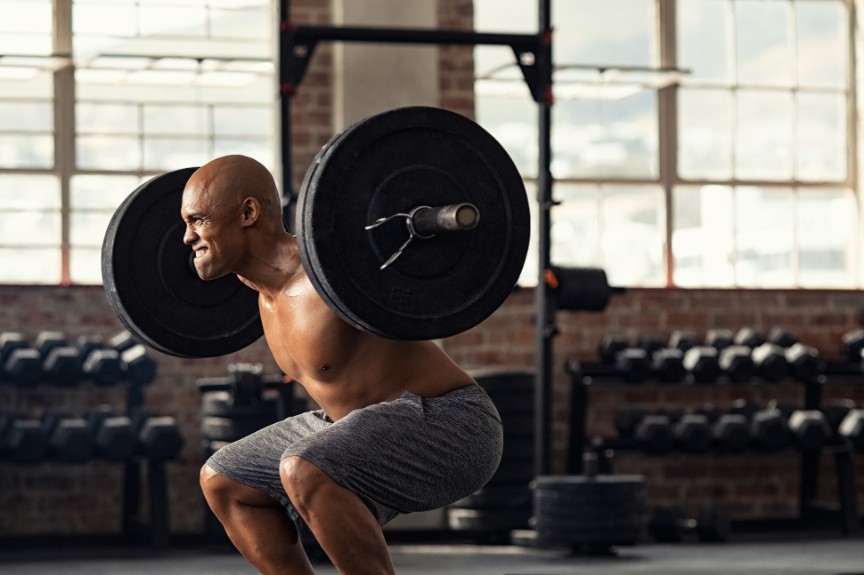
Squats are one of the best exercises you can do for developing your glutes and lower body.
Range of motion matters. If you only move through a shallow portion of the squat, you are not asking as much from your glutes. As you squat deeper, your glutes have to work harder to extend your hips and bring you back to a standing position.
Instead of rushing through shallow repetitions, focus on maintaining control and moving through as much comfortable range of motion as your mobility and form allow.
A traditional squat with your feet around shoulder-width apart is a great place to start. You can use other variations, but you do not need to make your squat complicated for it to be effective.
Bulgarian Split Squats
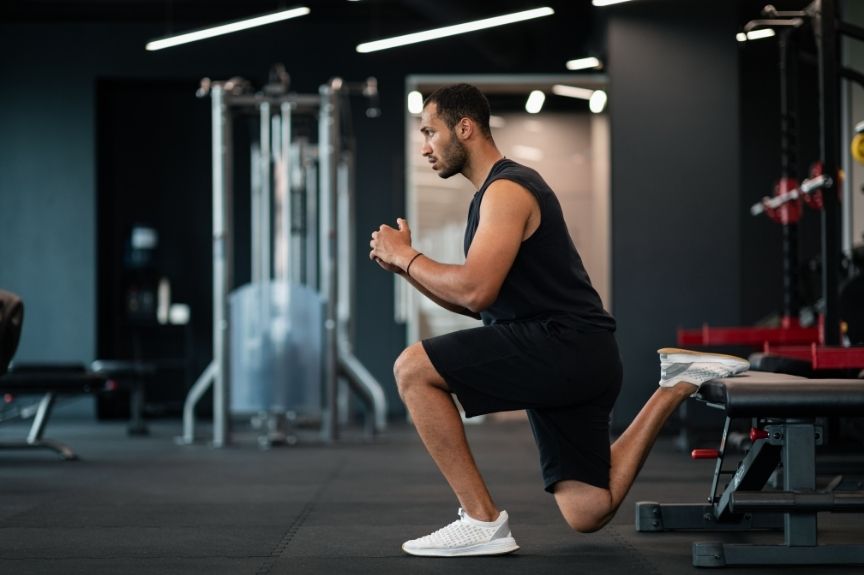
Bulgarian split squats are another excellent exercise because they allow you to challenge one leg at a time while putting a lot of demand on the glutes.
Your body position makes a difference here. If you remain very upright, you may feel more of the exercise in your quads. I typically recommend leaning your torso slightly forward, around a 45-degree angle, to place more emphasis on the glutes.
Take your time with the movement. Your back foot should give you support, but your front leg should be doing most of the work.
Lateral Band Walks
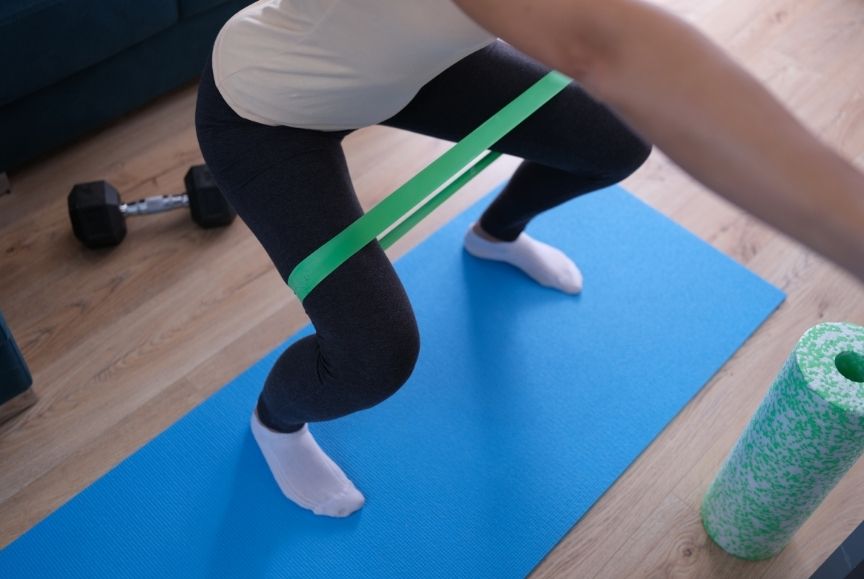
Lateral band walks are particularly useful for developing the outer portion of the glutes and creating more shape around the sides of the hips.
Place a resistance band around your legs just above the knees, lower into a slight squat, and take controlled steps from side to side while keeping tension on the band.
This is not an exercise where you need a huge amount of resistance. The goal is to keep constant tension on the glutes and control every step.
Hip Thrusts
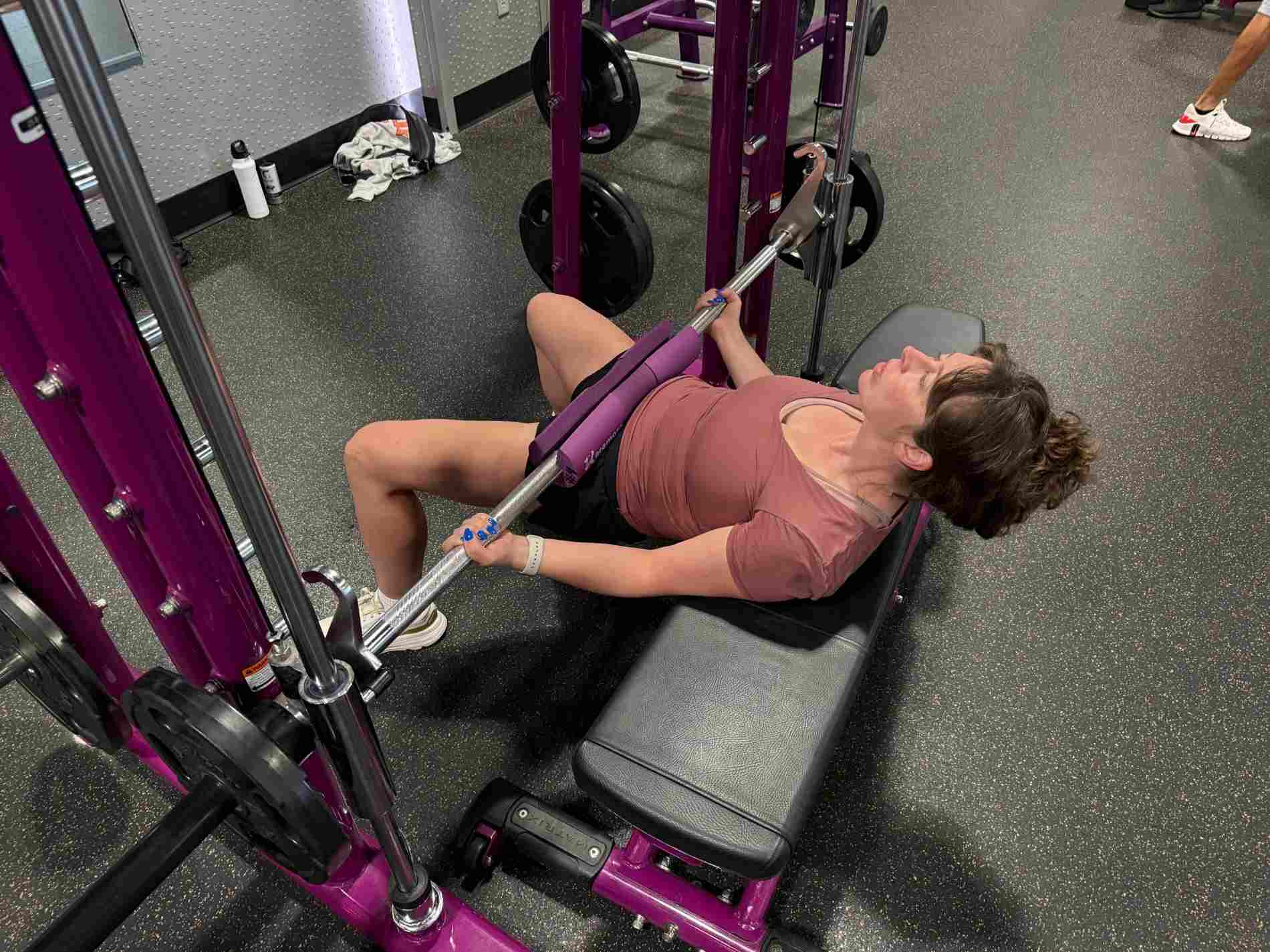
Hip thrusts are popular for a reason. They allow you to directly load hip extension, one of the primary functions of the glutes.
Make sure you are using a full range of motion rather than completing short, rushed repetitions. Lower your hips under control and then drive through the movement until you reach a strong lockout at the top.
You should feel the glutes doing the work rather than simply trying to move as much weight as possible.
You Do Not Need to Train Your Glutes Every Day
More training does not automatically mean more growth.
If your main goal is building your glutes, three well-structured lower body sessions per week can be plenty.
When the goal is muscle growth, sets of roughly 10 to 12 repetitions can work very well, but you should not stay locked into one rep range forever. You might go through a phase where you use heavier weight and lower repetitions, then transition into moderate weight with slower repetitions, and later use lighter weight with higher repetitions.
The exercises may stay similar, but the way you challenge your muscles changes.
How to Use Progressive Overload for Glute Growth
Doing the same workout the same way every week will eventually stop being enough. If you want your glutes to keep developing, your training has to gradually become more demanding.
That is where progressive overload comes in.
Progressive overload does not mean you need to add weight to the bar every single week. You can progress by:
- Increasing the weight
Add resistance once you can complete your current sets with good form and the exercise no longer feels as challenging.
- Performing more repetitions
If you are not ready to move up in weight, perform more repetitions with the same load before increasing resistance.
- Increasing your sets
Adding another working set can increase the total amount of work your glutes are doing, but more is not always better. You still need enough recovery between workouts.
- Slowing down the movement
Increase time under tension by taking longer to lower the weight, adding a brief pause, or controlling each rep instead of rushing through it.
You do not need to use all four methods at once. The goal is simply to keep giving your glutes a slightly greater challenge as your body adapts.
Slow Down if You Actually Want Your Glutes to Work
One of the biggest mistakes I see people make with lower body training is rushing. They move through their exercises too quickly, shorten their range of motion, or sacrifice technique just to finish the workout.
If you are using lighter or moderate weights, slowing the movement down can make a significant difference. You want the muscle to stay under tension rather than relying on momentum.
Quality matters more than how many exercises you can squeeze into one session. I would rather have someone perform three exercises extremely well than rush through an hour of movements they barely feel in the right muscles.
Eating Enough Is Part of Building Your Butt
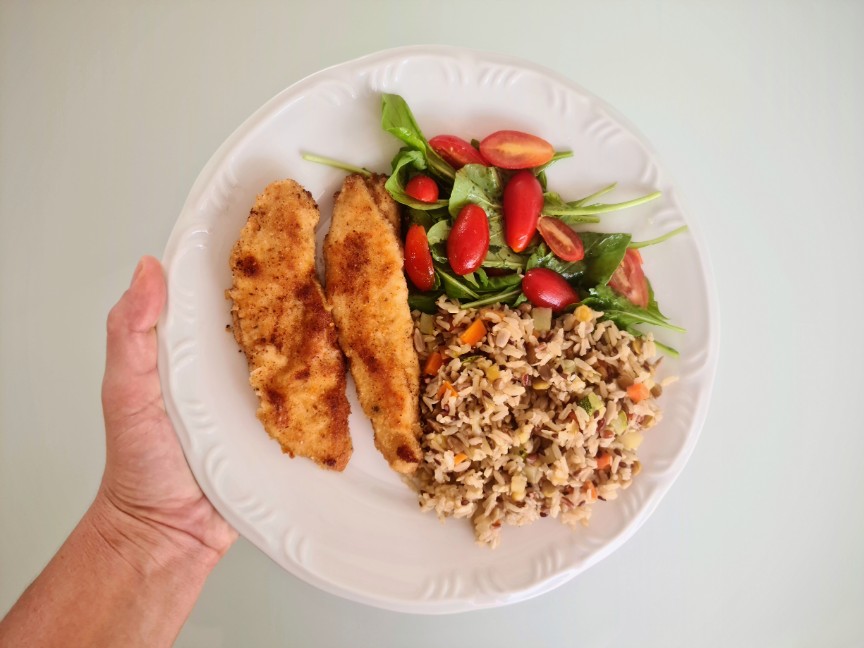
You cannot talk about building your glutes without talking about food. Training creates the stimulus for muscle growth, but your body still needs enough nutrition to repair and build that muscle.
Protein helps provide what your body needs to repair and build muscle tissue. Carbohydrates help fuel hard training and replenish the glycogen stored inside your muscles.
If you consistently train hard while barely eating enough to support it, you are making muscle growth harder. You need to give your body something to build with.
Your Glutes Grow During Recovery, Too
Your muscles do not grow while you are doing your squats. Training breaks the muscle down and gives your body a reason to adapt. The rebuilding happens during recovery.
That is why repeatedly hammering your glutes every single day can actually work against your goal. If you are still sore and fatigued from your previous workout, you are probably not going to perform as well during the next one.
Use your rest days to stay active, eat enough, sleep, and allow your body to recover. You do not need to spend your entire rest day sitting on the couch. Light activity, such as walking, can help you stay moving without adding another demanding lower body workout.”
The better you recover, the more prepared you are to create progressive overload during your next training session.
Give Your Glutes Time to Change
There is no workout that will completely transform your glutes in two weeks. Building muscle is a gradual process, and your individual results will depend on your starting point, training experience, genetics, nutrition, recovery, and consistency.
What matters most is having a plan you can continue progressing through.
Instead of judging your progress from one workout to the next, look for changes over time. You may notice that your exercises feel stronger and more controlled. You may be able to use more resistance. Your clothes may fit differently, or you may start to see more shape through your glutes and hips.
Those changes add up. You do not need to destroy your lower body six days a week to make progress. You need a training plan you can follow consistently.
Build Your Glutes With a Structured Lower Body Program
Knowing what works is one thing. Putting all of it together into a training plan is where people tend to get stuck.
The Relentless Spirit Lower Body Program gives you a structured training plan designed to target your glutes, quads, and hamstrings while balancing training volume, progressive overload, and recovery.
The goal is not to chase a temporary pump. It is to build a lower body that becomes stronger and more developed over time. Get started with the Relentless Spirit Lower Body Program and start building stronger, fuller glutes with a plan designed for real progress.
About the author : Baltazar Villanueva

Baltazar Villanueva is a NASM certified personal trainer & nutritionist that provides services to the Denver metro region. Formerly a mixed martial arts fighter and self-defense trainer, he now provides clients with customized fitness programs that address whole-body wellness. Book a consultation with him here to get started on your fitness journey.