
In my years of coaching individuals in both martial arts and resistance training, one of the first things I do after a session is check in with my clients the following day and ask how they are feeling. Most people assume I am looking to hear how sore they are.
In reality, the best response I can receive is:
“I feel great. No issues. No injuries. No soreness.”
In this article, I break down why muscle soreness should not be your goal after every workout, what soreness actually represents, and what you should be focusing on instead if you want your training to be truly effective.
Why Muscle Soreness Became the Wrong Metric for Successful Training
When a client tells me they are sore, especially when they are still sore by the time we are scheduled to train again, I know we pushed too far. Yet this is rarely how the client sees it. Most people expect to be sore. In fact, many feel like the workout was not hard enough if they are not. They ask for more exercises, more reps, or more sets, believing they need to overload their body just to make the workout “count.”
This mindset is one of the biggest mistakes people make in their training.
A productive workout should not leave you feeling depleted and drained for the rest of the day, especially if you train early in the morning. If you work out before heading to work, school, or taking care of your kids, the goal is not to feel like you are going to fall asleep the moment you sit on the couch. You want to feel capable, alert, and ready to take on the day.
Why Your Body Doesn’t Care How Sore You Are
Most people assume soreness is the body’s way of saying, “Great job – do that again.” In reality, soreness is the body saying, “That was unfamiliar. I wasn’t ready for that.”
When you do something new – more weight, more volume, a new exercise, or a new tempo – the muscle experiences stress it is not accustomed to. That stress creates irritation and inflammation, which we experience as soreness. There is no scorecard. No bonus points. Just a response to novelty.
The truth about muscle soreness that most people overlook.
Your body does not adapt to one hard workout. It adapts to what you repeatedly ask it to do.
If soreness were the goal, beginners would have the best physiques in the gym. They get sore from almost everything. But soreness fades quickly as the body learns the demand, even while strength and muscle continue to improve.
That’s because your body isn’t responding to soreness. It’s responding to mechanical demand.
When you repeatedly place tension on muscle – through load, reps, and consistency – the body adapts by becoming stronger and more resilient. When you randomly overwhelm it, the body protects itself instead of improving.
Think of it this way:
- A workout that leaves you too wrecked to train again soon?
That’s just fatigue. - A workout you can repeat, recover from, and gradually progress?
That’s what produces results.
Soreness often shows up when the demand is new. It fades as the body adapts. Growth happens when the demand gradually increases, not when discomfort peaks.
If a workout leaves you so sore that it disrupts your next session, your sleep, or your day, the demand was not productive – it was excessive.
The goal of training is not to shock your body. The goal is to teach it what to adapt to.
Why Performance Matters More Than Pain
Once you understand that progress comes from repeatable demands, the focus naturally shifts away from discomfort and toward performance.
You’ll notice signs as your body adapts:
- More strength
- Improved workout capacity
- The ability to tolerate more volume over time
These outcomes do not require extreme soreness; they require consistency.
Progressive overload – gradually increasing stress on your muscles over time – works because it gives the body a clear reason to adapt. Gradually lifting heavier weights, performing more reps, or executing the same moves with better control sends a stronger signal than random exhaustion ever could.
Chasing soreness often interferes with this process. Excessive exercise variety, unnecessary volume, and constant fatigue may feel productive in the moment, but they usually reduce how often and how well you can train.
Pain might feel convincing, but performance is measurable – and reliably builds muscle.
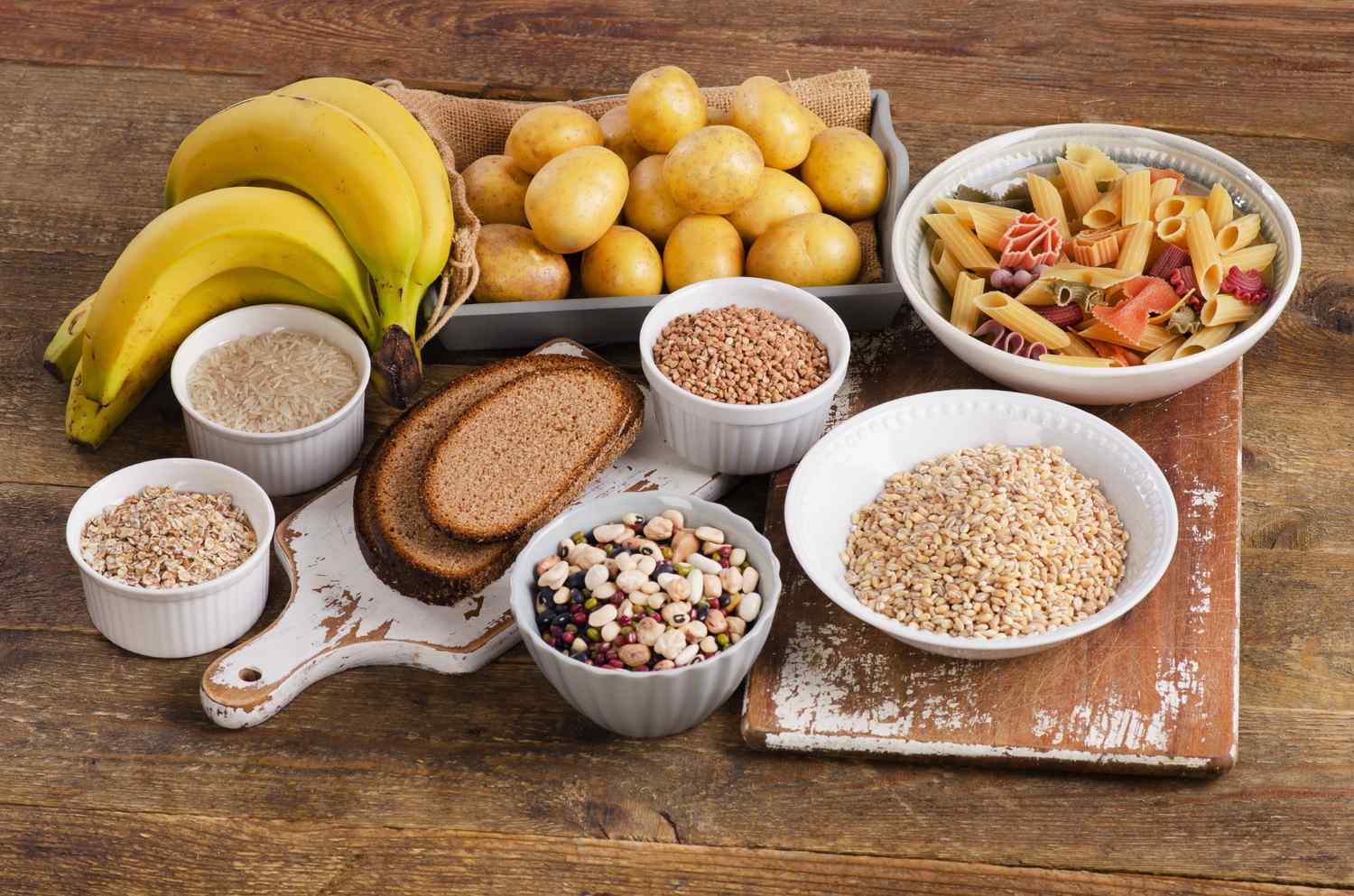
The Role of Carbohydrates in Strength Training Output
Once you understand that muscle growth is driven by repeatable mechanical demand – not soreness – the next question becomes unavoidable: how can you consistently apply mechanical demand?
The answer is fuel.
For moderate-to-high intensity resistance training, carbohydrates play a central role in performance. They support repeated sets, heavy compound lifts, and training closer to muscular failure. A nutrition plan that supports adequate carb intake helps delay fatigue, increase force output, and improve total training volume.
Put simply, carbohydrates help you train better, not just harder.
They allow you to:
- Sustain performance across multiple sets
- Accumulate more high-quality work
- Progress load and volume more consistently
- Recover well enough to train again on schedule
However, this is also where confusion begins.
Many people notice that when they fuel better and train harder, soreness increases – and carbohydrates are often blamed. Others remove carbohydrates entirely and then wonder why workouts feel harder, recovery takes longer, and progress stalls.
Carbohydrates don’t make you sore, but they might finally allow you to train hard enough to grow.
In the next blog, we’ll break down why carbohydrates are so often misunderstood, how they relate to soreness and recovery, and how to use them strategically to support strength training and muscle growth without chasing fatigue.
Reframing Muscle Soreness for Long-Term Results
Once soreness is put in its proper place, better questions replace outdated ones.
Instead of asking:
- “Am I sore enough?”
Ask:
- Did my performance improve?
- Did I apply more tension than before?
- Can I recover well enough to repeat this workout?
- Is my training supporting my real life, not draining it
Soreness may appear during periods of progression. It may fade as your body adapts. Neither outcome determines success.
What matters is whether training is structured, progressive, and repeatable.
What to Remember About Muscle Soreness
- Muscle soreness has been given far more importance than it deserves. It is a sensation, not a strategy.
- Your body adapts to specific, repeatable demands placed on it over time. Progressive overload, adequate recovery, and proper fueling drive muscle growth.
- Carbohydrates don’t make you sore, but they might finally allow you to train hard enough to grow.
- Soreness may show up along the way, but should never be the goal.
About the author : Baltazar Villanueva

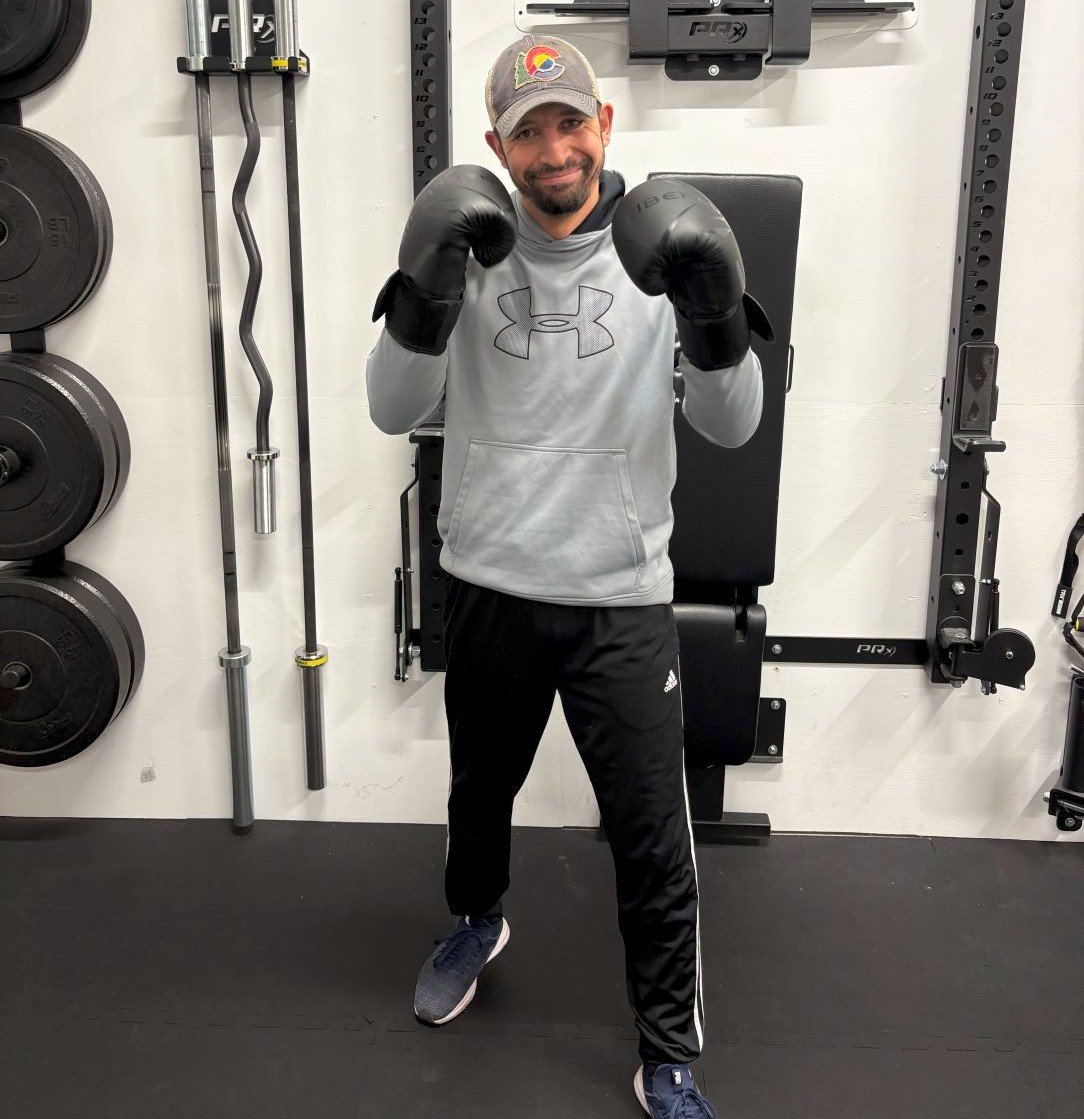
Baltazar Villanueva is a NASM certified personal trainer & nutritionist that provides services to the Denver metro region. Formerly a mixed martial arts fighter and self-defense trainer, he now provides clients with customized fitness programs that address whole-body wellness. Book a consultation with him here to get started on your fitness journey.