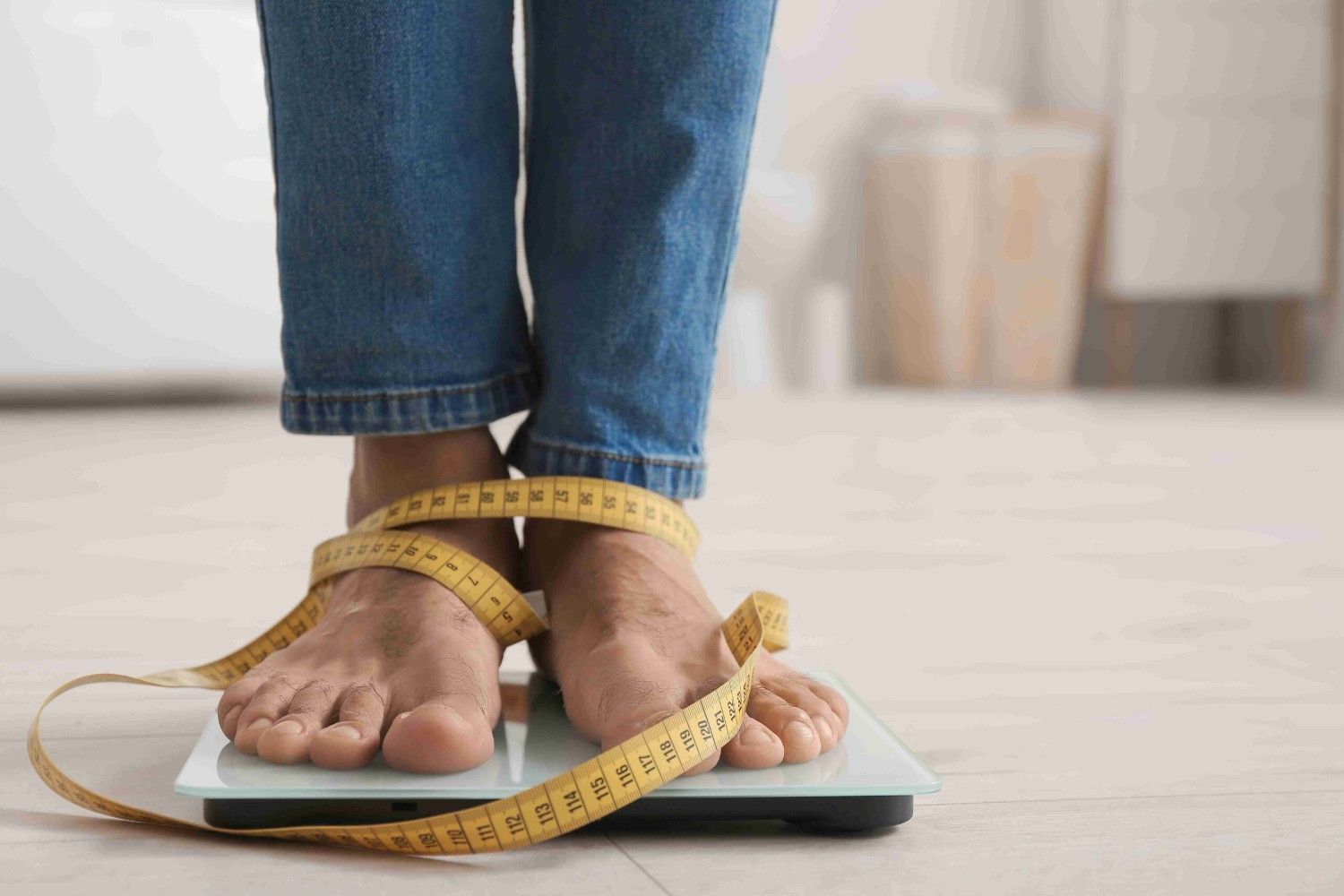
Most people think it’s simple: start working out, eat a little better, and you’ll lose fat and build muscle at the same time. And for beginners, that can actually happen.
When you start training consistently, your body responds quickly. Lifting weights and challenging your muscles creates a new stimulus. Your body adapts by burning fat and building muscle simultaneously.
The real question is: what happens after those beginner gains? When progress slows down, should you keep trying to do both, or is it smarter to focus on one goal at a time?
Understanding the Difference Between Fat Loss and Building Muscle
Before deciding where to start, it’s important to know what each goal requires.
- Fat loss means eating in a calorie deficit – taking in fewer calories than you burn. This forces your body to tap into stored fat for energy. You don’t have to starve yourself, but you do have to be consistent.
- Building muscle means eating in a calorie surplus – slightly more calories than you burn – so your body has the fuel to grow and recover. That doesn’t mean eating junk food; it means eating with purpose, emphasizing protein and whole foods.
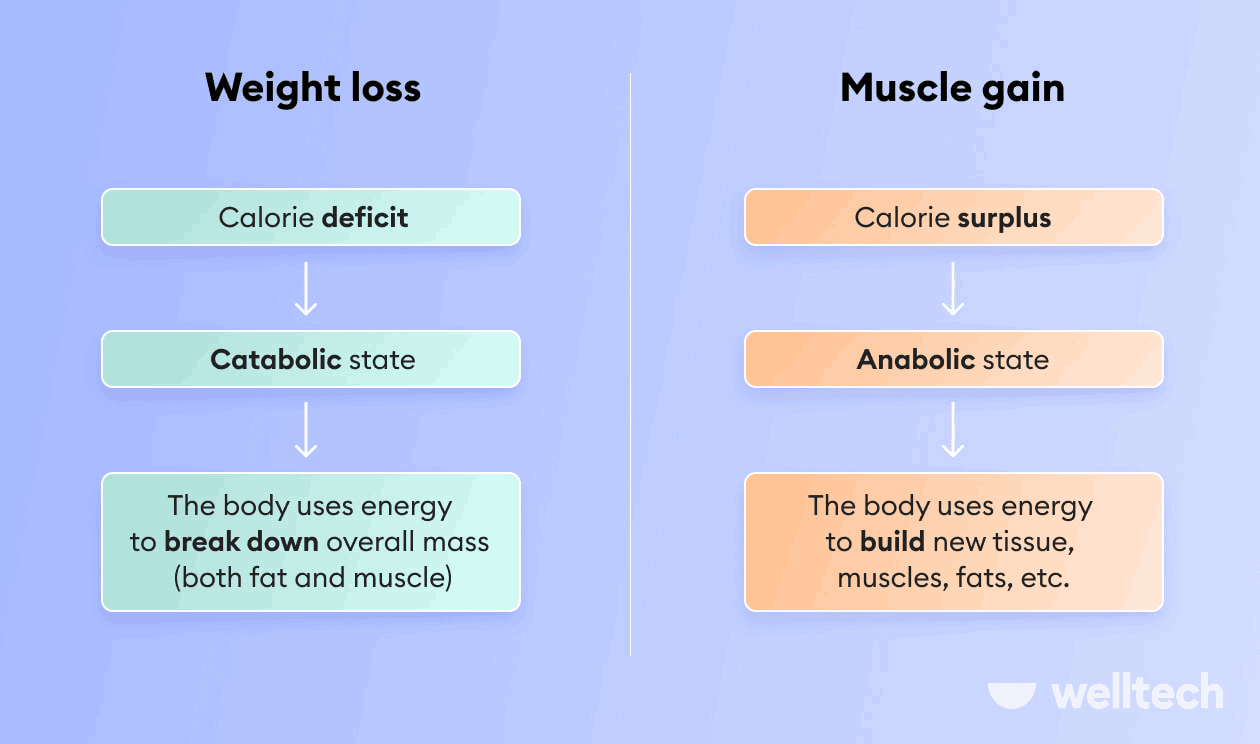
Source: welltech
Both goals require strength training and protein, but how you train and fuel changes. Where most people go wrong is trying to do both aggressively at once. They train like they’re bulking but eat like they’re dieting, and progress stalls.
A Real Example: When the Scale Lies
When I started working with one of my clients nine months ago, he weighed about 210 pounds. We focused on getting leaner and over time, and he dropped to 190 pounds, feeling great about his progress.
Then we transitioned into a muscle-building phase, and the scale jumped back up to 200 pounds. Panic set in. “What the hell just happened?”
But here’s the thing: he didn’t look heavier. He looked better. He was sending me pictures showing off new muscle definition and lines in his legs he’d never seen before.
What the Number on The Scale Doesn’t Tell You
Many people assume any weight gain is bad. But when you’re building muscle, the number on the scale doesn’t tell the full story. Muscle is denser than fat, meaning it takes up less space. So even if your weight increases, your body can look leaner, tighter, and stronger.
It’s not about the number – it’s about composition. How your body looks, feels, and performs tells the real story.
Losing Weight or Building Muscle: Where Should You Start?
So how do you know which goal to chase first – fat loss or muscle gain?
It depends on your starting point and your goals.
If you’re carrying excess body fat, start with fat loss. You’ll move better, sleep better, and feel more confident. Plus, your next muscle-building phase will be more effective because your body will use nutrients more efficiently.
If you’re already somewhat lean, focus on building muscle. That’s what gives you shape and definition. Cutting too early just makes you smaller, not leaner.
While there isn’t one perfect way to determine a path forward, one easy method is to measure your body fat percentage and choose a starting point accordingly.
A Body Fat Percentage Rule of Thumb: The Relentless Spirit Approach
Here’s the simple framework I give clients:
- Women above 25% body fat / Men above 20% → Focus on fat loss first.
You’ll improve health, energy, and confidence while setting up your next phase. - Below those levels → Focus on building muscle.
This is how you create a lean, athletic look.
The biggest mistake I see? Goal-hopping.
People diet for a few weeks, panic, and switch to bulking. Then they see the scale rise and cut again. That cycle kills progress.
Commit to one phase for at least 8–12 weeks before changing directions. Your body needs stability and consistency.
No matter which phase you’re in, focus on:
- Strength training
- Consuming enough protein
The Hybrid Phase: Recomposition
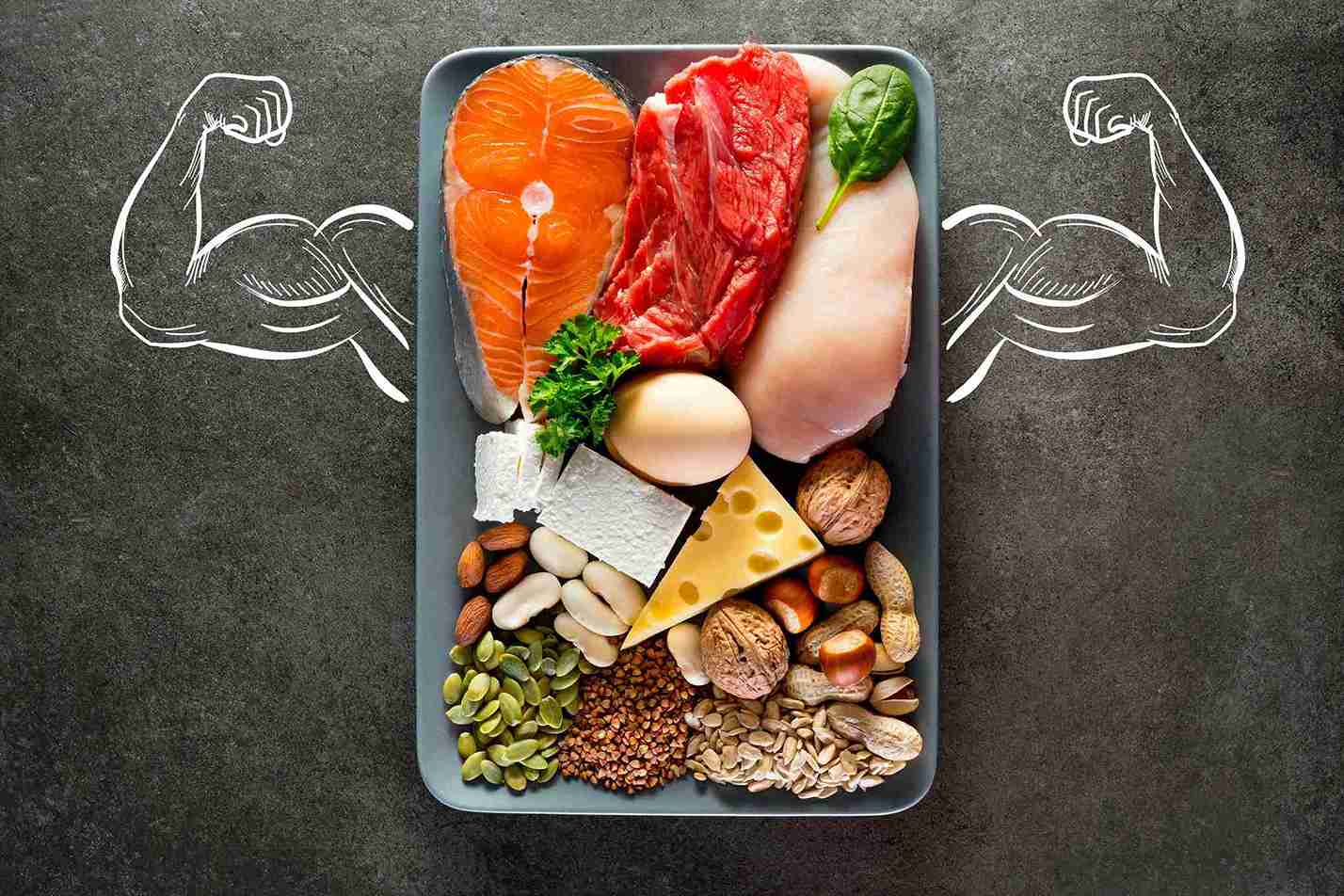
There’s a sweet spot known as body recomposition (losing fat and building muscle at the same time) that works for some people. It’s mostly for beginners or those returning after time off.
In this stage, your body uses stored fat for energy while using protein to build lean tissue. You’re not converting fat to muscle (that’s a myth), but both processes can happen simultaneously.
You might not see much movement on the scale, but you’ll notice your clothes fitting differently and your strength going up.
For beginners – those in the first year of consistent training – this is where the magic happens.
You can potentially gain 20+ pounds of muscle in the first year if you:
- Train hard
- Recover well
- Eat enough protein
As you gain experience, results come slower. Intermediate lifters (2–5 years) can still build muscle but need more intentional training and recovery. Advanced lifters (10+ years) have to train with precision – every rep, set, and meal counts.
So if you’re new, take advantage of that recomposition window. Train hard, eat smart, and let your body adapt.
Common Body Composition Mistakes People Make
1. Too much cardio, not enough strength.
Cardio is great for health, but it doesn’t shape your body. Lifting weights does.
2. Eating too little and expecting to grow.
If you’re under-fueling, you’re under-recovering. Your body can’t build what it doesn’t have the materials for.
3. Ignoring protein.
It’s the single biggest game changer for fat loss, muscle growth, and staying full.
4. Constantly switching goals.
Stick with one target long enough to see results. Each phase deserves its own focus.
5. Believing in “toning.”
You don’t tone fat. You build muscle and lose fat so that muscle becomes visible.
The Smart Way Forward: Consistent Habits for Long-Term Results
There’s no wrong place to start – but constantly guessing, rushing, or goal-hopping will make progress a lot harder.
Whether your first goal is fat loss or building muscle, focus on consistency. You can’t outsmart the process, but you can master it with structure and patience.
- Lift with purpose.
- Eat enough protein.
- Track your progress beyond the scale: photos, performance, and how your clothes fit.
Every transformation comes from mastering the basics over and over again. Those who get results aren’t chasing the newest trend – they’re doing the work with intent.
So if you want to build something that lasts, remember: your physique is just a reflection of your habits.
About the author : Baltazar Villanueva

Baltazar Villanueva is a NASM certified personal trainer & nutritionist that provides services to the Denver metro region. Formerly a mixed martial arts fighter and self-defense trainer, he now provides clients with customized fitness programs that address whole-body wellness. Book a consultation with him here to get started on your fitness journey.